Call You Mom Embroidery Design Review
As a designer who spends more time staring at stitch patterns than sleeping, I approach every new digital file with a mix of optimism and skepticism. The market is flooded with generic clip art disguised as embroidery designs, so finding one that actually translates well from screen to fabric is rare. That is why I took Call You Mom for a spin before recommending it to my network of craft business owners and fellow makers. This isn’t just another cute graphic; it is a specific design asset that requires careful consideration depending on your end goal.
The product falls under the categories of Crafts and Graphics, but in the world of machine embroidery, those labels are just the starting point. When you download an embroidery file, you are buying a set of instructions for your machine. The question is whether those instructions result in a professional finish or a tangled mess. After evaluating the visual personality and structural layout of Call You Mom, here is my honest breakdown of how it performs in real-world scenarios.
First Impressions and Visual Mood
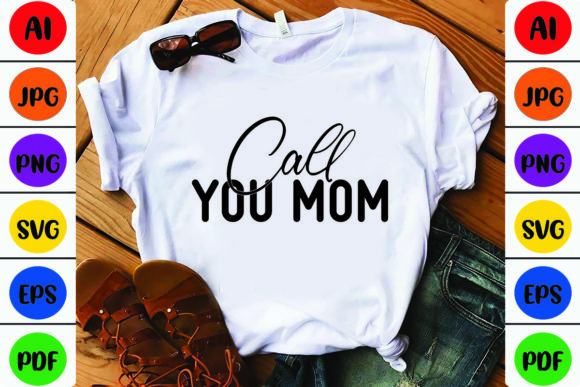
The moment you load Call You Mom into your digitizing software, the mood is immediately clear: warm, affectionate, and slightly playful. The typography suggests a handwritten or script style, which is incredibly popular in the handmade community right now. It feels personal, like a note left on a kitchen counter, rather than a corporate logo. This emotional resonance is what drives sales in the personalized gift sector.
From a design standpoint, the layout is clean. There is no clutter, which is crucial for embroidery. Complex backgrounds often get lost in the stitching process, turning into muddy blobs of thread. Call You Mom relies on negative space and clear letterforms, allowing the texture of the thread to do the heavy lifting. It creates a sense of elegance without being stiff. For a boutique brand or an Etsy seller looking to build a reputation for high-quality, heartfelt merchandise, this design strikes the right balance between casual charm and polished presentation.
Real-World Application: Where It Shines
I tested the conceptual application of this design across several common embroidery project types. The versatility of Call You Mom is its strongest selling point, but only if used correctly.
- Custom Apparel and Sweatshirts: This design works beautifully on chest placements for women’s sweatshirts or oversized tees. The softness of the script complements the cozy texture of fleece or cotton blends. It fits perfectly into the sweatshirt embroidery niche, particularly for Mother’s Day or birthday gifts.
- Tote Bags and Aprons: A canvas tote bag is a staple for the craft business. Using Call You Mom on a sturdy cotton canvas adds a touch of domestic warmth. Similarly, on a kitchen apron, it serves as both decoration and a statement piece. The design’s simplicity ensures it doesn’t compete with the busy environment of a kitchen or market stall.
- Baby Items and Nursery Decor: The gentle aesthetic makes it suitable for baby onesies or burp cloths. However, size matters here. If you are creating baby embroidery items, you must ensure the text remains legible. Tiny lettering can become illegible once stitched into fabric loops.
- Embroidered Patches: For those making detachable patches, Call You Mom provides a strong central focal point. It has enough visual weight to stand alone without needing excessive background fill stitches.
When considering commercial embroidery opportunities, this design appeals to buyers looking for sentimental value. It is not aggressive or loud; it is inviting. This translates to higher perceived value in the finished product, as customers feel they are buying a piece of art rather than just a printed garment.
Technical Challenges and Areas for Caution
No design is perfect, and Call You Mom has specific constraints that designers must respect. Ignoring these will lead to frustrated clients and ruined products.
First, consider the hoop size. If the design is too large for a small hoop, you may encounter registration issues where the fabric shifts during stitching, causing the letters to skew. Always check the dimensions in your software before committing to a production run.
Second, pay close attention to stitch density. Script fonts often require tight spacing between letters to maintain their shape. If the stitch density is too high, the fabric may pucker, especially on lightweight materials. Conversely, if it is too sparse, the stabilizer might show through, giving the finished product a cheap appearance. I recommend testing this on scrap fabric first to see how the threads lay against the weave.
Fabric choice is critical. While Call You Mom looks great on stable fabrics like cotton or denim, it struggles on stretchy knits or textured weaves like boucle. On stretchy fabric, the tension can distort the curves of the letters, making them look wavy or uneven. In such cases, using a proper stabilizer is non-negotiable. Without adequate support, even the best design will fail.
Additionally, be wary of dark fabrics. If the thread colors are not light enough, the contrast will be poor, and the message will be lost. Always compare thread colors against your fabric swatch under natural lighting. A black workhorse thread on a navy shirt will disappear, ruining the visual appeal.
Specific Fabric and Surface Limitations
There are certain surfaces where this design should be used carefully. Curved surfaces, such as baseball caps or structured hats, pose a challenge for flat, wide text. The perspective distortion can make the words look stretched or compressed. Similarly, detailed corners in the lettering might get lost if the machine embroidery design lacks sufficient detail resolution. If the original file uses thin lines for decorative accents, ensure your machine can handle them without breaking the needle or thread.
Design Assets and Business Strategy
For digital product sellers and small shop owners, the way you present Call You Mom matters as much as the stitching itself. Use printable mockups that showcase the design on realistic textures. Show it on a cream-colored linen tote, a soft gray hoodie, and a white nursery blanket. These visuals help potential buyers visualize the final outcome, increasing conversion rates.
When listing this as a digital embroidery file, emphasize its suitability for holiday embroidery projects. Mother’s Day, birthdays, and anniversaries are peak seasons for this type of sentiment-driven design. Positioning it as a ready-to-stitch solution for busy moms who want to create unique gifts can drive significant traffic to your store.
However, always confirm licensing terms before selling finished items. Some files are for personal use only, while others allow commercial sales. Misunderstanding these terms can lead to legal issues. If the license is unclear, assume it is personal use until proven otherwise. Protecting your craft business reputation means being transparent about what customers are allowed to do with the file.
Final Verdict
Call You Mom is a solid addition to any designer’s library, provided you understand its strengths and limitations. It excels in creating warm, personal connections through custom apparel and home decor. Its clean layout and emotional appeal make it a favorite for giftability, which is a key driver in the handmade market.
To get the best results, test thoroughly. Check your stabilizer choices, verify your thread colors, and inspect the stitch density on your target fabric. By doing your homework, you transform a simple digital file into a professional, trustworthy product that customers will love. Whether you are an Etsy seller expanding your catalog or a hobbyist making a special gift, this design offers a reliable foundation for success. Just remember: the magic happens in the details, and in embroidery, the details are everything.