World’s Mama Embroidery Review
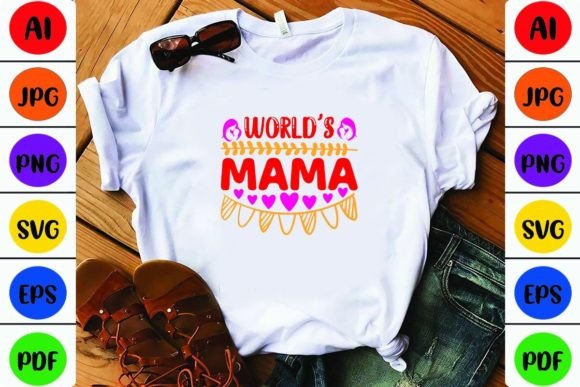
When I sit down to evaluate a new digital asset for my studio, I am rarely looking at it as just a graphic file. I am visualizing the needle movement, the tension of the thread, and the final texture on the garment. Today, I am breaking down World’s Mama, an SVG design cut file that markets itself toward men, women, kids, babies, and girls. While the description suggests broad utility—from scrap posters to greeting cards—my focus is strictly on its viability as a machine embroidery design for real-world projects. As someone who produces custom apparel and boutique merchandise, I need to know if this design holds up under the stress of stitching and if it resonates with buyers in a crowded market.
First Impressions and Visual Personality
The moment you load the vector into your digitizing software or prepare it for transfer, the mood of World’s Mama becomes apparent. It carries a warm, celebratory energy that is essential for any product targeting mothers. In the world of handmade goods, emotional connection drives sales. This design feels approachable and affectionate without being overly saccharine. The layout appears balanced, which is critical when translating a flat illustration into a three-dimensional stitched object.
For a craft business owner, the versatility here is striking. The design is not limited to a single niche. It works equally well for a heartfelt baby shower gift, a casual t-shirt for a family reunion, or a sophisticated embroidered patch for a denim jacket. The visual personality suggests a brand that values inclusivity and love, making it a strong candidate for small shop products that aim to appeal to a wide demographic. However, the strength of the design lies in its simplicity; it relies on clear shapes rather than intricate, cluttered details, which is a smart choice for embroidery.
Real-World Application: From Screen to Stitch
To truly judge an embroidery file, we must look at how it performs in specific use cases. Let us imagine preparing a custom embroidered tote bag for a client. The canvas fabric of a tote can be unforgiving, often showing every slight shift in stitch direction. If World’s Mama utilizes clean lines and distinct fill areas, it will translate beautifully onto the heavy cotton blend. The design’s likely structure allows for bold thread colors to pop against the natural or dyed fabric, creating a high-contrast finished product that looks professional rather than amateurish.
Consider also the application for sweatshirt embroidery. Hoodies and crewnecks are staples in the Etsy seller’s inventory. A design like this, centered on the chest or placed over the heart, adds a layer of personalization that customers crave. The text "World’s Mama" serves as a statement piece. When stitched onto a soft fleece or cotton blend, the texture of the thread enhances the comfort aesthetic of the garment. It transforms a basic item into a keepsake.
Furthermore, this design is perfectly suited for aprons and kitchen towels. These items are frequent gifts for holidays and housewarmings. The durability required for kitchen textiles means the design must withstand frequent washing. A well-digitized version of this file, with appropriate stitch density, will maintain its integrity wash after wash. For embroidered patches, the clean edges allow for easy applique backing or dense satin borders, making it a versatile asset for adding character to caps or bags.
Where Caution Is Required
No design is flawless, and knowing where a file might struggle is part of professional judgment. World’s Mama may present challenges when used in very small hoop sizes. If you attempt to reduce the design too much, fine details could merge, resulting in a muddy appearance. Always inspect the small details before committing to a production run. Tiny lettering, if present, requires a high-quality stabilizer and precise hooping to remain legible.
Fabric selection is another critical factor. Textured fabrics, such as bouclé or heavy tweed, can obscure the definition of the design. Similarly, thin or stretchy fabrics require careful stabilization to prevent puckering. If you are working with dark fabric, you must ensure there is adequate underlay stitching to make the top thread colors stand out. Without proper contrast, the design may disappear into the background material.
Curved surfaces, like the front panel of a baseball cap, demand extra attention. The design must be adjusted to account for the curvature, or it will look distorted. Additionally, dense stitch areas can create stiffness in the fabric, which might be undesirable for delicate baby clothes or lightweight summer tees. In these cases, lighter fill stitches or running stitch accents might be preferable to maintain the softness of the garment.
Impact on Product Value and Brand Consistency
Using a polished design like World’s Mama directly influences customer trust. Buyers associate neat, consistent stitching with quality craftsmanship. When a customer receives a personalized gift with crisp edges and even tension, they are more likely to leave positive reviews and return for future purchases. This design supports brand consistency by offering a recognizable, thematic element that can be used across various product lines, from nursery decor to wedding gifts.
For digital product sellers, providing printable mockups of this design helps potential buyers visualize the end result. High-quality previews that show the design on different backgrounds and materials can significantly boost conversion rates. The design’s adaptability makes it a valuable addition to any library of design assets.
Practical Notes for Embroidery Designers
Before incorporating this file into your commercial workflow, follow these practical steps:
- Test on Scrap Fabric: Always run a test stitch on the same type of fabric you plan to use. This reveals issues with thread tension or stabilizer choice early.
- Check Thread Contrast: Evaluate how the chosen thread colors interact with the base fabric. Light threads on dark fabric, or vice versa, usually yield the best results.
- Review Stitch Density: Ensure the design is not too dense for the intended fabric weight. Excessive density can cause puckering or needle breakage.
- Confirm Hoop Size: Verify that the design fits within your standard hoop dimensions to avoid unnecessary trimming or re-hooping.
- Inspect Small Details: Zoom in on the digital file to check for any overlapping elements that might cause stitching errors.
- Test Black and White Mockups: View the design in grayscale to assess its balance and composition without the distraction of color.
- Stabilizer Selection: Choose the correct stabilizer (cut-away, tear-away, or water-soluble) based on the fabric’s stretch and weight.
- Licensing Verification: Confirm the license terms before selling finished items. Some files are for personal use only, while others permit commercial sale of the physical product but not the digital file itself.
In conclusion, World’s Mama offers a strong foundation for a variety of embroidery projects. Its emotional resonance and adaptable layout make it a practical choice for designers seeking to create meaningful, sellable products. By paying attention to fabric choice, stitch density, and proper testing, you can leverage this design to produce high-quality handmade products that delight customers and strengthen your brand.