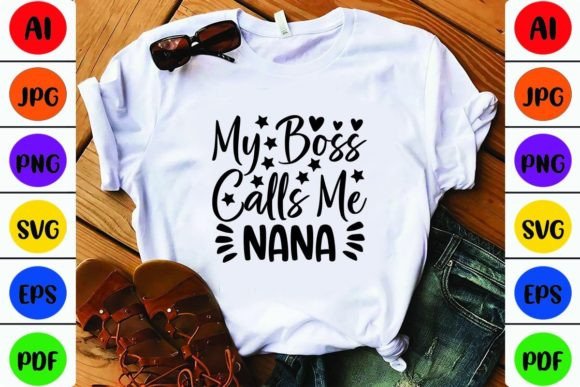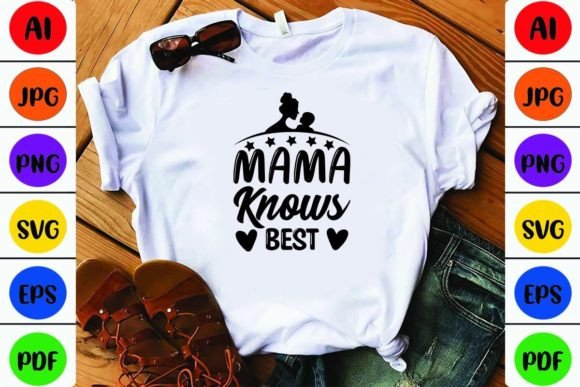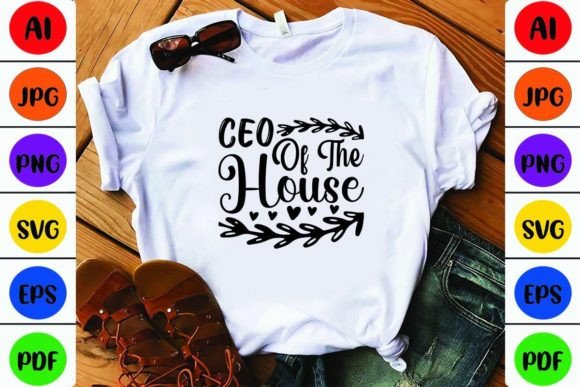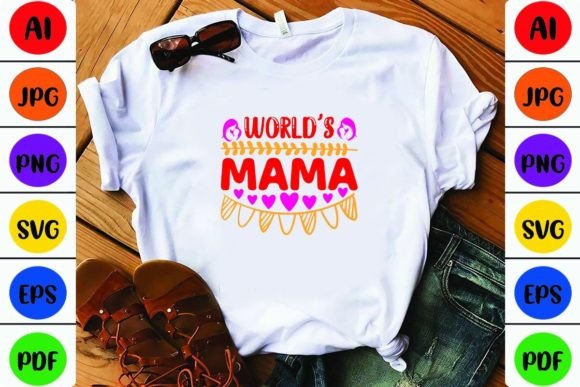
Mom and I Ro SVG Review
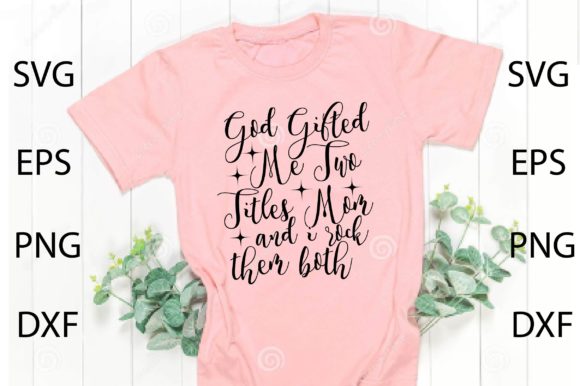
As a designer who spends more time than I care to admit staring at stitch grids and testing thread tension, I approach every new digital asset with a mix of hope and skepticism. The market is flooded with "cute" designs that look great in a thumbnail but fall apart under the needle. Recently, I pulled God Gifted Me Two Titles Mom and I RoSVG off the shelf to see if it holds up in a real-world embroidery workflow. This isn't just about whether the file opens correctly; it’s about how the design translates from a vector screen into a tactile, wearable piece of art.
The product falls squarely into the Crafts and Graphics categories, marketed as an SVG suitable for t-shirts, cards, signs, scrapbooking, vinyl decals, and more. But for us in the embroidery space, the question is: does it work when stitched? My initial impression is that this design has a specific personality—it’s playful, slightly nostalgic, and heavily reliant on typography. It screams "personalized gift," which is currently one of the highest-converting niches for small business owners and Etsy sellers. However, relying solely on text means every curve and kerning choice becomes critical. If the letters are too thin or the spacing is off, the final finished product will look amateurish rather than boutique-quality.
First Impressions and Visual Personality
When I first loaded the machine embroidery design into my digitizing software, the layout felt balanced but busy. The phrase "Mom and I Ro" suggests a rhyming couplet, likely paired with another part (perhaps "You" or "Too"), creating a dynamic visual rhythm. In embroidery, text-heavy designs can be risky because they lack the forgiving nature of pictorial elements like hearts or flowers. Every flaw in the digitization—whether it’s excessive stitch density or poor underlay—is magnified.
The mood of this design is undeniably warm and celebratory. It feels perfect for Mother’s Day, birthdays, or a "just because" gift. For the Etsy seller or small shop product creator, this is gold. It taps into the emotional desire to celebrate motherhood without being overly cliché. The visual appeal lies in its relatability. Customers don’t just buy a shirt; they buy a statement about their relationship. From a branding perspective, using a design like this helps establish a shop identity focused on family, humor, and modern sentimentality.
Real-World Application: The Custom Tote Bag Scenario
To truly test God Gifted Me Two Titles Mom and I RoSVG, I imagined a specific use case: a custom embroidered tote bag for a client who wanted a unique accessory for her daily errands. Tote bags are a staple in the handmade product market, but they present unique challenges. The fabric is often canvas or cotton duck, which can be thick and textured. Stitching on such surfaces requires a sturdy stabilizer and careful hooping to prevent puckering.
If I were to place this design on a canvas tote, I’d position it centrally on the front panel. The text needs to be legible from a distance. Here, the embroidery file’s structure matters. If the lettering relies on delicate satin stitches with long runs, the heavy fabric might cause the threads to break or look jagged. Conversely, if the design uses robust fill stitch blocks for the letters, it would stand out beautifully against the coarse texture of the bag. This is where the design shines—it allows for bold interpretation. Whether you choose a contrasting bright thread or a tonal monochrome look, the shape remains clear. For a custom apparel project like a sweatshirt, the same logic applies, but the stretch of the knit fabric demands a higher quality stabilizer to keep the text flat and unwrinkled after washing.
Where Caution Is Required
No design is universally perfect, and God Gifted Me Two Titles Mom and I RoSVG has areas where a designer must exercise caution. First, consider the scale. If you attempt to digitize or cut this for a very small hoop size, such as 4x4 inches, the details may become cramped. Tiny lettering in embroidery is notoriously difficult to maintain clarity. If the strokes are too thin, they can disappear into the fabric weave or merge together, turning readable text into a blurry blob. Always inspect the small details before committing to production.
Fabric choice is equally critical. While this design works well on stable cottons and polyesters, it is less ideal for highly textured fabrics like bouclé or extremely thin, sheer materials. On dark fabric, you’ll need to ensure your thread colors have enough contrast. A light gray thread on a black background might vanish, while a white thread could look harsh unless the lighting is right. Additionally, if you plan to use this for an applique design, be mindful of the edge finishes. Applique requires clean cuts and secure stitching; complex curves in the text can fray if not stabilized properly.
Another consideration is durability. For items that will undergo frequent washing, like baby clothes or kitchen towels, the integrity of the stitches is paramount. Dense stitch density can make a garment stiff and uncomfortable. If this design is used for baby embroidery on onesies, I would recommend reducing the fill density to keep the fabric soft. Similarly, for commercial embroidery projects involving caps or hats, the curved surface can distort straight lines. Test the design on a practice cap to see how the text bends around the crown.
Practical Designer Notes for Success
Before rushing to produce hundreds of units for your craft business, follow these practical steps to ensure professional results:
- Test on Scrap Fabric: Never go straight to the final item. Stitch the design on a scrap of the exact fabric you plan to use. This reveals issues with tension, puckering, or color contrast immediately.
- Check Thread Contrast: View your mockup in black and white. This strips away color bias and helps you judge the legibility of the text shapes. If it looks muddy in grayscale, it will likely look muddy in color.
- Review Stitch Density: High density saves time but can ruin drape. Lower density looks cleaner and feels better but takes longer. Balance this based on the end-use of the finished product.
- Confirm Hoop Size: Ensure the design fits comfortably within your machine’s hoop limits with adequate margin for hooping stability.
- Inspect Small Details: Zoom in on the corners of the letters. Are they sharp? Do they require excessive trimming? Good digitization minimizes jump stitches and trims.
- Verify Licensing: This is crucial for Etsy sellers and digital product sellers. Confirm whether the license allows commercial use of the finished physical goods. Some design assets restrict resale, while others do not. Clarity here protects your business from legal issues.
Final Verdict on Value and Appeal
Ultimately, God Gifted Me Two Titles Mom and I RoSVG is a strong contender for anyone looking to add emotional resonance to their embroidery project list. It bridges the gap between simple text graphics and complex pictorial designs, offering versatility across multiple mediums. Whether you are creating a tote bag design for a craft fair, a sweatshirt embroidery for a holiday gift, or a printable mockup for online listings, this design provides a solid foundation.
Its strength lies in its simplicity and emotional hook. It doesn’t try to be everything to everyone; it speaks directly to moms and children. For the creative entrepreneur, this specificity is a selling point. It reduces decision fatigue for the buyer. When paired with thoughtful presentation—like a nice tag, high-quality packaging, and perhaps a complementary design—the value of the handmade product increases significantly.
In conclusion, this is not just a graphic; it’s a tool for connection. As long as you respect the technical limitations of embroidery and prepare your files carefully, God Gifted Me Two Titles Mom and I RoSVG can elevate your portfolio. It offers a blend of charm and professionalism that resonates with customers looking for something personal yet polished. For the maker who values both aesthetics and functionality, this design earns a spot in the rotation. Just remember: the best embroidery starts with good planning, proper stabilizers, and a willingness to test before you sell.