Wild Child Graphics and Crafts: A Designer’s Review
As a graphic designer, I don’t just look at an asset; I evaluate its potential in a live client environment. When reviewing Wild Child, my primary concern is always versatility and emotional resonance. This isn't just another generic clipart file; it is a specific visual statement that speaks to the untamed, energetic spirit of childhood. For designers working with handmade businesses, boutique parenting brands, or creative marketplaces, understanding how to deploy this SVG design cut file illustration is crucial for creating cohesive brand identity and marketing visuals.
The term "Wild Child" immediately conjures images of adventure, nature, and unstructured play. In the context of modern design, this aesthetic aligns perfectly with the growing trend toward organic, rustic, and heartfelt branding. It moves away from sterile corporate minimalism and embraces warmth, texture, and personality. For small business owners and Etsy product creators, this distinction is vital because it helps build an immediate emotional connection with the audience. The visual mood here is playful yet grounded, making it suitable for a wide array of applications, from t-shirt design to packaging design.
First Impressions and Visual Mood
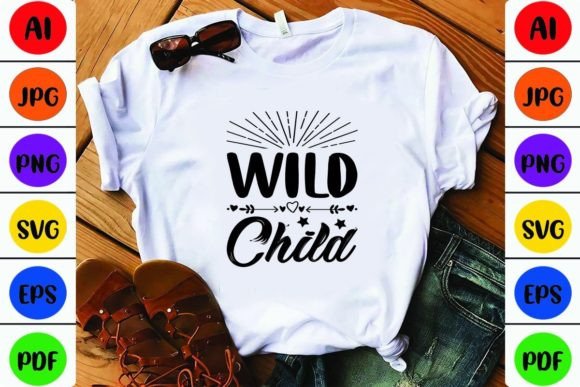
Upon first inspecting the Wild Child graphics, the immediate takeaway is its strong typographic presence combined with illustrative elements. Whether integrated into a logo design or used as a standalone hero graphic, the asset commands attention without shouting. The style leans heavily into the handmade aesthetic, which resonates deeply with consumers who value artisanal quality over mass-produced uniformity. This makes it an excellent choice for editorial design where storytelling is key, or for web design sections that aim to highlight community and family values.
The design feels authentic rather than artificial. In a sea of digital products, authenticity is a currency. By using this illustration, designers can signal that their brand understands the messy, beautiful reality of raising children. It supports a narrative of freedom and exploration, which is particularly effective for seasonal campaigns, back-to-school promotions, or outdoor-themed events. The visual hierarchy is naturally established by the boldness of the concept, allowing the designer to build supporting elements around it without competing for dominance.
Real-World Application in Client Projects
Let’s imagine a realistic scenario: a client launching a line of organic cotton baby clothes and matching nursery decor. They need a central visual motif that ties the collection together. Wild Child serves as an ideal anchor for this brand identity. Here is how it performs across various mediums:
- Merchandise and Apparel: In the realm of print-on-demand and t-shirt design, this asset shines. It translates well to screen printing and direct-to-garment (DTG) processes. The bold lines ensure that the message remains legible even on textured fabrics. It works exceptionally well for mom svg design cut file illustrations intended for men, women, kids, babies, or girls, offering broad demographic appeal.
- Packaging Design: For product mockups and physical packaging, the asset adds a touch of whimsy. Imagine it placed on kraft paper boxes for handmade soaps or gift sets. The contrast between the raw material and the clean vector lines creates a sophisticated yet approachable look. It elevates simple items into premium gifts, increasing perceived value.
- Digital Marketing: In social media graphics and Pinterest pins, the asset acts as a strong focal point. It captures the eye in a crowded feed. When paired with complementary colors—perhaps earth tones or soft pastels—it creates a harmonious palette that encourages engagement. It is also highly effective for blog visuals and website headers, where it can set the tone for the entire page.
- Printables and Stationery: As a printable design, it fits seamlessly into greeting cards, banners, scrap posters, and invitations. The instant download nature of such assets allows for quick turnaround times, which is essential for meeting tight client deadlines. Whether used for a birthday party theme or a family reunion invitation, the asset brings a sense of celebration and joy.
Strategic Placement and Layout Considerations
While Wild Child is versatile, it requires strategic placement to maintain professional integrity. It excels in large layout areas where it can breathe. Use it as a decorative accent on tote bags, mugs, or sticker design projects where the detail can be appreciated. It is also powerful as a sublimation design for all-over prints on apparel, provided the pattern repeats are handled correctly.
However, there are scenarios where caution is advised. Avoid placing this asset in crowded layouts where visual noise might dilute its impact. It may not be suitable for minimalist branding projects that rely on extreme simplicity and negative space. Additionally, while it is robust, testing it at very small sizes is necessary to ensure readability. If the text becomes illegible or the illustrative details blur, the asset loses its effectiveness. It should generally be avoided in professional corporate materials where a more formal, conservative tone is required.
Technical and Practical Designer Notes
Before integrating Wild Child into any commercial design project, several technical checks must be performed. First, always test the asset in black and white. This ensures that the design holds up without reliance on color, which is crucial for faxed documents, single-color printing, or accessibility compliance. Check contrast on both light and dark backgrounds to guarantee visibility and legibility.
Previewing the asset at various scales is non-negotiable. Zoom out to see how it functions as a favicon or icon, and zoom in to inspect the edge quality of the vectors. If you are using a PNG design, inspect the transparency and anti-aliasing to prevent jagged edges. If the file is an SVG design, verify its editability. Can you easily adjust the stroke width? Can you separate the elements for complex layering? These factors determine how flexible the asset is during the design process.
Furthermore, compare the style of Wild Child with other font styles and illustration types. Does it clash with serif fonts or script fonts in your chosen layout? Ensure that the visual hierarchy remains clear. If you are incorporating it into a Canva template or a Cricut project, make sure the layers are organized logically. Finally, and most importantly, confirm the commercial license. Understanding the terms of use for design assets protects you and your client from legal issues. Whether you are selling on Etsy, running a print-on-demand store, or creating internal marketing materials, knowing the scope of the commercial license is essential for sustainable business practices.
Conclusion
In summary, Wild Child is a compelling graphic design asset that offers significant value for designers targeting the family, parenting, and lifestyle markets. Its ability to evoke emotion, support brand storytelling, and adapt to multiple formats makes it a useful tool in the creative toolkit. By approaching its use with professional judgment and technical diligence, designers can leverage this illustration to create polished, engaging, and commercially successful projects. It is not merely a file to be downloaded; it is a component of a larger visual strategy that, when executed well, can significantly enhance the appeal of handmade businesses and small business branding efforts.